
 English
Views: 0 Author: Site Editor Publish Time: 2025-10-27 Origin: Site


Ever wondered how your car's sleek body panels are made? Precision sheet metal fabrication is the answer. This process is crucial in creating automotive stamping parts, ensuring high quality and efficiency. In this post, you'll learn about its significance, diverse applications across industries, and the latest cutting-edge techniques revolutionizing manufacturing.
Computer-Aided Design (CAD) models are the blueprint of precision sheet metal fabrication. They transform ideas into detailed digital representations. CAD allows engineers to visualize parts in 3D, identify potential issues, and adjust designs before production begins. This digital approach ensures accuracy and helps communicate specifications clearly to fabricators.
CAD models also enable easy modification and iteration, which saves time and reduces errors. They provide exact dimensions, tolerances, and material specifications, ensuring that every cut, bend, or hole is planned precisely. By using CAD, fabricators can program CNC machines directly, streamlining the entire manufacturing process.
Design for Manufacturability (DFM) is a critical mindset during the design phase. It focuses on making parts easy and cost-effective to produce without sacrificing quality. Designers consider factors like bend radii, material thickness, and hole placement to minimize manufacturing challenges.
For example, sharp bends may cause cracking, so DFM encourages using larger bend radii. Placing holes too close to edges can weaken the part, so spacing guidelines are followed. DFM also suggests standardizing features and avoiding overly complex shapes that increase production time or require special tooling.
By applying DFM principles, teams reduce rework and scrap, improve production speed, and ensure parts meet functional requirements reliably. It’s a collaborative effort between designers and fabricators to balance creativity with practicality.
Prototyping bridges the gap between digital design and physical reality. Creating a prototype allows hands-on evaluation of fit, form, and function. It uncovers hidden problems that may not appear in CAD models, such as assembly issues or tolerance stack-ups.
Benefits of prototyping include:
● Early Detection of Errors: Identifies design flaws before full-scale production starts.
● Improved Product Performance: Tests real-world durability and functionality.
● Cost Savings: Avoids expensive fixes during mass production.
● Enhanced Collaboration: Provides a tangible model for feedback from engineers, fabricators, and clients.
Prototypes can be made using rapid fabrication methods like 3D printing or quick-turn CNC machining. This iterative process refines the design, ensuring the final product meets all specifications and quality standards.
Tip: Involve fabricators early during CAD design to apply DFM principles and reduce costly revisions later.
Choosing the right material starts by understanding its mechanical and physical traits. Strength, ductility, hardness, and toughness determine how a metal behaves during fabrication and in use. For example, a material’s tensile strength shows how much load it can bear before breaking. Ductility indicates how much it can stretch or bend without cracking.
Physical properties like thermal conductivity and corrosion resistance also matter. Metals exposed to heat or harsh environments need to maintain their integrity and resist wear. Density affects weight, which is critical in aerospace or automotive parts where lightness improves efficiency.
Knowing these properties helps engineers predict how materials will perform during cutting, bending, welding, or finishing. It also guides decisions on tool selection and process parameters to avoid defects like warping or cracking.
Selecting materials involves balancing many factors beyond just properties. Fabricators consider:
● Fabrication Compatibility: Some metals weld or form easier than others. For instance, aluminum requires special welding techniques compared to steel.
● End-Use Environment: Will the part face moisture, chemicals, or extreme temperatures? Stainless steel resists corrosion, making it ideal for food or medical equipment.
● Cost and Availability: Budget constraints and lead times impact material choice. High-performance alloys may be costly or have longer delivery times.
● Weight Requirements: Lightweight materials like aluminum reduce overall product weight but may sacrifice some strength.
● Surface Finish Needs: Some applications demand smooth, polished surfaces or specific coatings, influencing material selection.
Collaboration between designers, engineers, and fabricators early in the project ensures material choices align with both performance and manufacturability goals.
Several metals dominate precision sheet metal fabrication due to their versatility and suited properties:
● Cold Rolled Steel (CRS): Offers strength, durability, and low cost. It’s easy to weld and form, often used in structural parts and enclosures. CRS can be painted or powder-coated for corrosion protection.
● Stainless Steel: Known for excellent corrosion resistance and strength. Widely used in food processing, medical devices, and architectural applications. It provides a clean, attractive finish.
● Aluminum: Lightweight with good corrosion resistance. Common in aerospace, automotive, and electronics. Aluminum alloys vary in strength and machinability, allowing tailored solutions.
● Copper and Brass: Valued for electrical conductivity and corrosion resistance. Used in electrical components, plumbing, and decorative elements. These metals are softer but easy to shape and join.
● Galvanized Steel: Steel coated with zinc for enhanced corrosion resistance. Ideal for outdoor or humid environments where rust prevention is vital.
Each material offers unique advantages and challenges. The right choice depends on project requirements, fabrication capabilities, and cost considerations.
Precision sheet metal fabrication relies heavily on advanced cutting techniques to transform flat sheets into intricate components. Each method offers unique advantages depending on material type, thickness, and design complexity. Let’s explore the main cutting processes used today.
Punching involves using a punch press to create holes or shapes by pressing a tool through the sheet metal. It’s fast, repeatable, and ideal for high-volume production. Punching can also form features such as embosses or lances, adding functional or decorative elements.
Shearing cuts straight lines using a blade that slices through the metal. It’s simple, cost-effective, and produces clean edges with minimal distortion. Both punching and shearing maintain the metal’s structural integrity due to minimal heat generation. These methods suit thinner sheets and parts requiring standard shapes or holes.
Wire Electrical Discharge Machining (EDM) uses a thin, electrically charged wire to erode metal precisely. It excels at cutting complex, intricate shapes and tight tolerances that other methods struggle to achieve. Because it cuts without mechanical force, Wire EDM avoids deforming delicate parts.
This technique works well on hard metals and alloys, producing smooth edges without heat-affected zones. However, it’s slower and more costly than other cutting options, making it best for specialized applications where precision outweighs speed.
Water Jet Cutting uses a high-pressure stream of water mixed with abrasive particles to slice through metal. It cuts thick or heat-sensitive materials without thermal distortion. Water jet is versatile and environmentally friendly since it produces no hazardous fumes.
Laser Cutting employs a focused laser beam to vaporize metal along precise paths. It offers fast cutting speeds, tight tolerances, and excellent edge quality. Laser cutting handles complex geometries and thin to medium thickness sheets well. However, it may cause slight heat-affected zones, which require consideration for sensitive materials.
Both methods provide excellent flexibility for custom designs and rapid prototyping.
Plasma cutting uses an ionized gas jet to melt and blow away metal in the cutting path. It’s effective for thick, conductive metals like steel and aluminum. Plasma cutters deliver fast cuts and are relatively affordable.
While plasma cutting produces rougher edges compared to laser or water jet, recent advances have improved precision and edge quality. It’s widely used in fabrication shops for medium- to heavy-gauge metals where speed and cost-efficiency matter.
Bending transforms flat sheet metal into angled shapes by applying force. Press brakes are the most common machines used. They press the metal between a punch and die to create precise bends. Modern press brakes use CNC controls to ensure repeatability and accuracy, even for complex angles.
There are several bending methods:
● Air Bending: The punch presses the sheet metal into the die but does not fully bottom out. This method offers flexibility for different bend angles using the same tooling.
● Bottoming: The punch presses the metal fully into the die, producing very precise bends. It requires specific tooling for each angle.
● Coining: The punch applies high pressure to plastically deform the metal, creating very tight tolerances and sharp bend radii.
Proper bend radius and allowance must be calculated to avoid cracking or distortion. The material type and thickness influence how much force is needed and the minimum bend radius.
Rolling shapes sheet metal into curved forms like cylinders or cones. A rolling machine passes the metal through rollers that gradually bend it to the desired radius. Rolling is ideal for simple curves and tubular parts.
Roll forming is a continuous process where sheet metal passes through multiple roller stations. Each station bends the metal slightly until the final profile is achieved. Roll forming is excellent for producing long parts with consistent cross-sections, such as metal roofing panels or structural channels.
Both rolling and roll forming induce some work hardening, which can increase strength but may reduce ductility. Proper process control helps maintain material properties and dimensional accuracy.
Forming processes influence the metal’s structural integrity. Excessive bending or improper rolling can cause cracks, warping, or residual stresses. Choosing the right forming method and parameters ensures parts maintain strength and durability.
Work hardening during forming can improve strength but may also make the metal more brittle. Heat treatments after forming sometimes relieve stresses and restore ductility.
Accurate forming also preserves dimensional tolerances, which is critical for parts that must fit precisely in assemblies. Poor forming can lead to misalignment and functional issues.
Understanding how each forming technique affects the metal helps engineers design parts that meet performance requirements without costly rework.
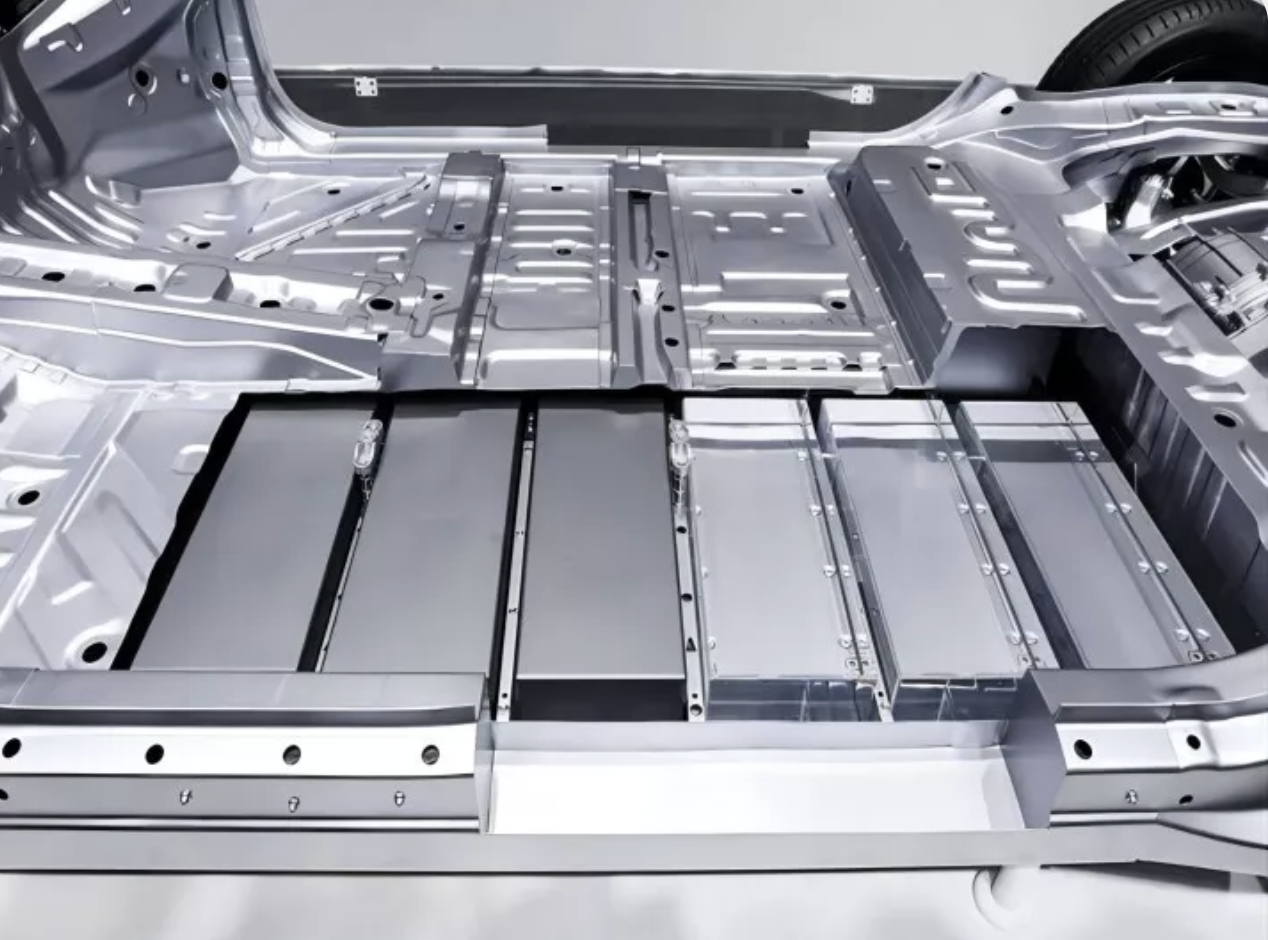
Assembly is where individual sheet metal parts come together to form a complete product. It requires precision to ensure parts fit perfectly and function as intended. Several common assembly methods are used in precision sheet metal fabrication:
● Welding: Techniques like TIG (Tungsten Inert Gas) and MIG (Metal Inert Gas) welding join metal parts permanently. TIG welding offers clean, precise welds ideal for thin sheet metal, while MIG welding suits thicker materials and faster production.
● Riveting: Mechanical fasteners called rivets join sheets without heat. This method is useful when welding isn’t suitable due to material type or heat sensitivity.
● Threaded Fasteners: Screws, bolts, and nuts allow for disassembly and maintenance. Precision in hole placement and threading is crucial for secure fastening.
● Adhesives: Industrial adhesives bond metal parts without altering metal properties. They provide uniform stress distribution and reduce distortion.
● Spot Welding: Common in automotive and appliance manufacturing, spot welding fuses overlapping sheets at discrete points, offering quick, strong joins.
Choosing the right assembly method depends on factors like material type, part geometry, strength requirements, and production volume. Proper fixturing and alignment during assembly prevent misfits and maintain tolerance standards.
Finishing treatments protect fabricated parts and enhance their appearance. They also improve durability and corrosion resistance. Common finishing processes include:
● Powder Coating: A dry powder is electrostatically applied and cured under heat. It creates a tough, uniform coating resistant to chipping and fading.
● Anodizing: Used mainly on aluminum, anodizing thickens the natural oxide layer, boosting corrosion resistance and surface hardness.
● Passivation: Stainless steel parts undergo passivation to remove free iron from the surface, improving corrosion resistance.
● Electroplating: Deposits a metal layer like zinc, nickel, or chrome to enhance corrosion protection and aesthetics.
● Polishing and Buffing: These mechanical processes smooth surfaces and create a reflective finish, often required for decorative or medical components.
● Deburring: Removes sharp edges and burrs left from cutting or forming, improving safety and fit.
Selecting finishing treatments depends on the part’s end-use environment, material, and customer requirements. Applying the right finish can extend the product’s life and reduce maintenance costs.
Assembly and finishing are the final steps where precision truly matters. Even small misalignments during assembly can cause functional issues or premature wear. Likewise, inconsistent finishing can lead to corrosion or aesthetic defects.
Maintaining tight tolerances during these stages ensures parts fit together seamlessly and perform reliably. It also supports quality control by preventing defects before shipment.
Fabricators use jigs, fixtures, and inspection tools during assembly to uphold accuracy. Finishing processes are carefully controlled for thickness, uniformity, and adhesion.
In precision sheet metal fabrication, the final polish ties the entire process together. It transforms raw, shaped metal into a finished product ready for demanding applications.
Quality control is the backbone of precision sheet metal fabrication. Inspection protocols ensure every part meets exact specifications before moving forward. This process often starts with dimensional checks using tools like calipers, micrometers, and height gauges. These tools verify measurements such as thickness, length, width, and hole placement.
For more complex parts, coordinate measuring machines (CMMs) provide 3D measurements with high accuracy. CMMs use probes to scan surfaces, capturing data points to compare against CAD models. This method detects deviations that manual tools might miss, especially in intricate geometries.
Visual inspections also play a role. Fabricators look for surface defects such as scratches, dents, or burrs. Checking finishes ensures coatings or treatments are uniform and free of flaws. Inspection protocols are often documented in quality control plans, guiding operators on when and how to inspect parts during production.
Advanced equipment elevates quality control by automating and refining inspection processes. Technologies like laser scanners and optical comparators capture detailed surface profiles quickly. These tools can generate heat maps showing deviations from design tolerances.
Non-destructive testing (NDT) methods, such as ultrasonic or dye penetrant testing, detect internal flaws like cracks or voids without damaging the part. This is crucial for components used in critical applications like aerospace or medical devices.
Automated inspection systems integrate with production lines, providing real-time feedback. This allows immediate correction of errors, reducing scrap and rework. Software solutions also analyze inspection data, identifying trends or recurring issues to improve processes continuously.
Consistency is key in precision fabrication. Every part must match the design exactly, batch after batch. To achieve this, fabricators implement statistical process control (SPC). SPC monitors production variables and uses control charts to keep processes within set limits.
Regular calibration of equipment ensures measurement accuracy over time. Operators receive training to maintain inspection standards and understand the importance of precision.
Documenting inspection results creates traceability. If issues arise, fabricators can track back to specific batches or machines to identify root causes. This systematic approach supports continuous improvement and customer confidence.
In summary, quality control in precision sheet metal fabrication combines thorough inspection protocols, advanced technology, and disciplined process management. These elements work together to deliver parts that meet tight tolerances, perform reliably, and uphold industry standards.
Precision sheet metal fabrication offers several key benefits that help businesses improve product quality, reduce costs, and meet diverse customer needs. These advantages stem from the ability to control every step of the process tightly, ensuring parts fit perfectly and perform reliably.
By using advanced machines and optimized workflows, precision fabrication speeds up production. Automated cutting, bending, and assembly reduce manual labor and errors. This leads to faster turnaround times and higher throughput. Fewer mistakes mean less rework or scrap, saving time and materials. Streamlined processes also allow manufacturers to handle larger volumes without sacrificing quality.
For example, CNC punch presses and laser cutters can operate continuously with minimal supervision. This automation frees operators to focus on quality control and complex tasks. Overall, precision fabrication maximizes resource use and trims production bottlenecks.
Precision techniques ensure parts meet exact dimensions and tolerances. This accuracy improves part fit and function, critical in industries like aerospace, medical devices, and electronics. Tight tolerances reduce assembly issues and improve product reliability.
Moreover, precise forming and cutting minimize stress concentrations or defects that could cause premature failure. High-quality finishes protect against corrosion and wear, extending product life. The result is a superior product that performs consistently under demanding conditions.
Precision sheet metal fabrication supports a wide range of materials, thicknesses, and complex geometries. This flexibility enables custom designs tailored to specific applications. Whether one-off prototypes or large production runs, fabricators can adjust quickly to design changes.
Advanced CAD and CNC technologies allow rapid iteration and precise replication. This versatility benefits industries requiring unique or specialized parts, such as custom enclosures, brackets, or medical instruments. It also supports innovation by turning complex concepts into manufacturable realities.
Though precision fabrication may require upfront investment in technology and design, it yields long-term savings. Reduced scrap and rework lower material costs. Efficient processes cut labor expenses and shorten lead times. Better quality means fewer warranty claims or returns.
Sustainability improves as well. Precise nesting of parts on sheet metal reduces waste. Many materials used are recyclable, and efficient fabrication minimizes energy use. Companies embracing precision fabrication can meet environmental goals while maintaining profitability.
Precision sheet metal fabrication encompasses CAD models, Design for Manufacturability, and advanced cutting techniques. It ensures quality, efficiency, and customization. Future trends focus on automation and sustainable practices. Zonze excels in this field, offering innovative solutions that enhance product quality and reduce costs. Their expertise in precision fabrication provides significant value, ensuring reliable performance and meeting diverse customer needs. With a commitment to excellence, Zonze continues to lead in delivering cutting-edge fabrication services.
A: Automotive stamping is a process where sheet metal is formed into specific shapes using dies and presses. It's crucial for manufacturing vehicle components with precision and consistency.
A: CAD modeling benefits automotive stamping by providing detailed digital designs that ensure precise dimensions and tolerances, facilitating accurate programming of CNC machines for efficient production.
A: DFM is important in automotive stamping as it optimizes designs for ease and cost-effectiveness, reducing rework and scrap while ensuring quality and performance of stamped parts.
A: Cost considerations for automotive stamping include material selection, tooling expenses, and production volume, impacting overall budget and efficiency in manufacturing vehicle components.
A: Prototyping improves automotive stamping by allowing early detection of design flaws, testing product performance, and facilitating collaboration, ultimately saving costs during mass production.


