
 English
Views: 0 Author: Site Editor Publish Time: 2025-10-16 Origin: Site


Have you ever wondered how car parts are made with such precision and consistency? Automotive stamping is the process that transforms flat metal sheets into critical components, from body panels to structural reinforcements and engine brackets. It ensures high-volume production, tight tolerances, and consistent quality, making it essential in modern vehicle manufacturing. Every stamped part affects safety, performance, and durability, which is why manufacturers rely on precise processes and advanced technology. In this article, you will explore the automotive stamping process step by step. We will examine different stamping techniques, highlight key technological innovations, discuss common components, and address challenges and solutions. By the end, you will understand how automotive stamping shapes the vehicles we rely on every day and why it remains a cornerstone of efficient, high-quality car production.
Automotive stamping is a specialized metal forming process that uses a press and custom-designed dies to shape flat sheets of metal into specific parts. Unlike processes such as casting or forging, stamping works with pre-formed sheets to produce components with extreme precision and repeatability. This distinction makes it particularly suited for automotive applications, where high-volume production and consistency are essential.
1. High-Volume Production: Automotive stamping can generate thousands of identical components quickly. This capability supports mass production in assembly plants while maintaining strict quality standards.
2. Consistency and Precision: Each stamped component is virtually identical to the next, reducing errors during assembly and ensuring that safety-critical parts meet regulatory requirements.
3. Material Optimization: The process minimizes material waste through efficient nesting of parts on sheet metal, lowering production costs.
4. Compliance with Standards: Automotive stamping ensures that parts meet crashworthiness, durability, and safety requirements, which are critical in modern vehicle design.
Automotive stamping is used for a variety of applications, from body panels and doors to chassis reinforcements, engine brackets, and interior components. Its ability to form complex geometries and tight tolerances makes it indispensable in both original equipment manufacturing (OEM) and aftermarket production.
Note: Companies that master stamping processes gain a competitive edge by delivering consistent quality and reducing production delays caused by defective parts.
Automotive stamping involves a series of carefully orchestrated steps, each critical to producing high-quality components. The process begins with material selection and preparation and ends with inspection and integration into the assembly line.
The choice of metal has a direct impact on the performance, durability, and weight of the final component. Common materials in automotive stamping include:
● Carbon Steel: Widely used for structural components due to its high strength and durability.
● Aluminum: Preferred for lightweight body panels to improve fuel efficiency.
● Stainless Steel: Selected for corrosion resistance, particularly in exhaust systems and structural elements exposed to weather.
● Exotic Alloys: Titanium, high-strength aluminum alloys, and other specialty metals are used in high-performance vehicles for weight reduction and enhanced mechanical properties.
Sheets are first inspected for thickness, flatness, and surface defects. Inconsistent material properties can lead to defects such as cracking, warping, or uneven forming. Proper material preparation is therefore critical to maintaining high yield and quality.
Blanking is the initial cutting step, where raw sheets are trimmed into preliminary shapes called "blanks." This process defines the outline of the part and determines how efficiently the material can be used. Modern presses often use computer-controlled dies to optimize sheet utilization and reduce scrap.
Tip: Optimizing blanking patterns not only saves material but also reduces the number of secondary operations, increasing overall production efficiency.
Forming is the core step in stamping, where the blanked metal is shaped into the desired geometry. This step may involve several techniques:
● Bending: The sheet is bent along specific angles to create flanges, tabs, or other structural features.
● Coining: Localized pressure is applied to strengthen certain areas or create precise details.
● Deep Drawing: The metal is stretched into a die to form cylindrical or complex shapes, such as fuel tanks or engine covers.
During forming, precise control of material flow is essential. Incorrect force application or sheet alignment can cause wrinkles, thinning, or tearing.
After forming, excess material is removed, and functional features are added:
● Trimming: Removes surplus metal along edges to ensure uniform dimensions.
● Piercing: Adds holes, slots, or other necessary features for assembly or functionality.
These operations require extreme precision to ensure components fit seamlessly into vehicle assemblies.
Each stage of stamping includes rigorous quality inspections. Automated systems measure dimensions, check for burrs or defects, and ensure the part meets all tolerances. Any deviation can cause issues during assembly or affect vehicle safety.
Once stamped and inspected, components are delivered to the assembly line. Properly stamped parts reduce downtime and rework, ensuring smooth vehicle assembly.
Note: Inline inspection systems can prevent costly delays by identifying defective parts before they enter the assembly line.
Choosing the right stamping technique depends on part complexity, volume requirements, and material characteristics. The most widely used techniques include:
● Uses multiple stations within a single press
● Each station performs a specific operation—cutting, bending, or punching
● Ideal for high-volume production of complex components like brackets and chassis reinforcements
● Reduces the need for multiple presses and improves throughput
● Employs four independently moving tools arranged horizontally
● Capable of intricate cuts and multiple bends simultaneously
● Suitable for small, complex parts such as clips, brackets, and specialty components
● Offers design flexibility and faster prototyping for customized applications
● Pulls a metal sheet into a die using a punch
● Forms cylindrical, tubular, or box-like shapes such as fuel tanks or engine housings
● Cost-effective due to minimal scrap
● Allows production of complex shapes with consistent wall thickness
Selecting the proper technique impacts cost, production speed, and quality. Progressive die is preferred for high-volume components, while fourslide suits intricate, smaller batches, and deep draw is optimal for cylindrical or deep parts. Each technique offers unique advantages and limitations.
Tip: Analyzing part geometry and production volume before choosing a technique can significantly reduce tooling costs and material waste.
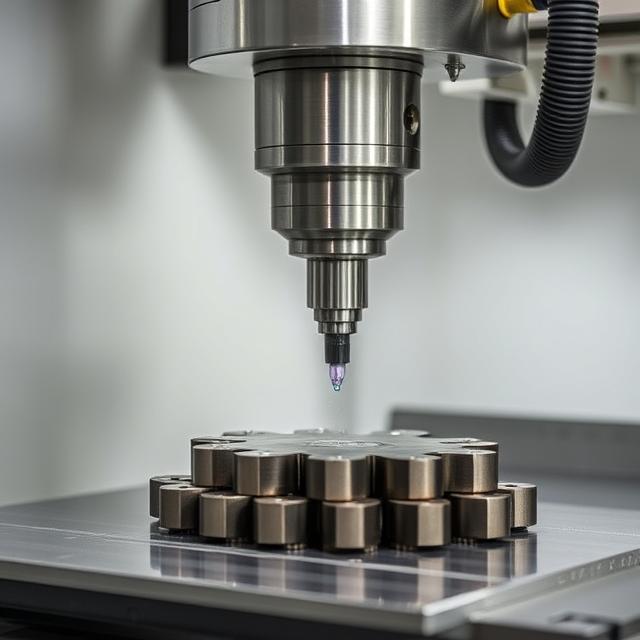
Technological innovations are driving efficiency, quality, and sustainability in stamping operations.
● Uses electromagnetic forces to assist metal flow
● Reduces strain and risk of tearing in complex shapes
● Extends die life and improves repeatability
● Robots feed and remove metal sheets automatically
● High-speed presses achieve consistent results
● Reduces human error and improves worker safety
● CAD software allows precise die and part design
● Simulation predicts metal behavior under stress, reducing trial-and-error
● Optimizes force application, minimizing defects
● High-strength steel and lightweight aluminum reduce vehicle weight
● Exotic alloys improve strength-to-weight ratios
● Technology ensures these materials can be stamped without compromising quality
● Optimized nesting reduces material waste
● Predictive maintenance minimizes downtime
● High-speed presses shorten cycle times while maintaining precision
Note: Leveraging automation and simulation tools reduces scrap, improves throughput, and ensures consistent quality in high-volume operations.
Automotive stamping is used for a broad range of components, both structural and functional.
● Doors, hoods, fenders, roofs, and quarter panels
● Must meet tight tolerances for alignment and appearance
● Lightweight metals improve fuel efficiency
● Chassis reinforcements, brackets, crossmembers
● Provide safety and crashworthiness
● Require high-strength materials
● Seat latches, mounting plates, steering wheel brackets
● Precision ensures proper functionality and safety
● Fuel injectors, regulators, and various mounting brackets
● Critical for performance and reliability
● OEM components prioritize precision, compliance, and consistency
● Aftermarket components allow customization while adhering to safety standards
Tip: Ensuring dimensional consistency across all components minimizes assembly errors and enhances overall vehicle reliability.
Even with advanced technology, stamping faces several challenges:
Minor errors in forming or trimming can disrupt assembly. Regular calibration of dies and presses ensures precision.
Inefficient blanking or nesting increases scrap rates. Optimizing layouts reduces waste and lowers production costs.
Multi-step forming may cause wrinkling, thinning, or tearing. Simulation tools help predict metal flow and prevent defects.
Burrs, scratches, or warping reduce part functionality and aesthetic appeal. Coining and inline finishing techniques mitigate these problems.
Solutions:
● Use automated inline inspections to detect defects early
● Regular maintenance and tool replacement
● Advanced simulation software for complex designs
● Employee training on best practices for stamping operations
Note: Proactive quality control and predictive maintenance improve yield and reduce costly rework.
The automotive stamping industry is evolving to meet modern demands.
● Global demand for stamped automotive parts is projected to exceed $300 billion by 2025 [needs verification]
● Growth is fueled by vehicle production, aftermarket expansion, and advanced materials
● Aluminum and high-strength steel are increasingly adopted for fuel efficiency and EV integration
● Exotic alloys support high-performance and lightweight components
● Stamping adapts to new chassis designs, battery enclosures, and modular assemblies
● Precision stamping ensures proper fit for EV-specific components
● Energy-efficient presses and eco-friendly lubricants reduce environmental impact
● Optimized material usage lowers waste
● Artificial intelligence predicts die wear and optimizes stamping parameters
● Simulation accelerates prototyping and reduces errors, lowering production costs
Tip: Early adoption of AI-driven stamping and advanced simulation tools can enhance efficiency and competitiveness.
Automotive stamping delivers precise, high-quality parts efficiently. Zonze provides advanced stamping solutions that ensure durability and tight tolerances. Their products support structural, body, and engine components, helping manufacturers reduce waste and improve production. By leveraging Zonze’s technology, companies gain reliable, high-volume results and stay competitive in automotive manufacturing.
A: Automotive stamping is the process of shaping metal sheets into precise car parts like panels and brackets.
A: It ensures high-volume, consistent, and durable components for safety and performance.
A: Common metals include steel, aluminum, stainless steel, and high-strength alloys.
A: Progressive die handles complex parts in multiple steps, while deep draw forms cylindrical or tubular shapes.
A: Yes, it minimizes material waste and lowers labor costs in high-volume manufacturing.
A: Maintaining tight tolerances, handling complex geometries, and avoiding material defects.
A: Through advanced simulation, robotics, inline inspections, and predictive maintenance.
A: Structural parts, body panels, engine brackets, interior mounts, and aftermarket components.


