
 English
Views: 0 Author: Site Editor Publish Time: 2025-10-23 Origin: Site


Is metal stamping expensive? This question often arises in industries like automotive stamping, where cost efficiency is crucial. Metal stamping shapes metal sheets into parts, offering precision and speed. However, costs can vary widely. In this post, you'll learn about factors influencing metal stamping costs, including tooling, material choices, and production volume. Understanding these can help you make informed manufacturing decisions.
Metal stamping costs depend on several key factors that can significantly impact your budget. Understanding these will help you make informed decisions for your manufacturing project.
The biggest upfront expense in metal stamping is the tooling or die. This custom-made tool shapes the metal into your desired part. Tooling costs vary based on:
● Complexity: More intricate designs require more complex dies, increasing cost.
● Material: Higher-grade tool steel costs more but lasts longer.
● Quantity: Larger production runs justify higher tooling investment because the cost spreads over many parts.
Investing in quality tooling pays off by reducing maintenance and ensuring consistent part quality. Cheap dies may wear out quickly, leading to defects and higher long-term costs.
Material selection directly affects stamping expenses. Factors include:
● Type of Metal: Steel, aluminum, copper, and specialty alloys vary widely in price.
● Thickness: Thicker materials cost more and may need sturdier tooling.
● Material Width: Wider coils may increase raw material cost but allow efficient production.
Choosing the right material balances performance and cost. Over-specifying thickness or alloy can inflate expenses unnecessarily. Using finite element analysis (FEA) helps optimize material choice by simulating part behavior before production.
The design complexity impacts tooling and production costs. Complex parts may require:
● Multiple stamping operations or progressive dies.
● Additional features like bends, holes, or embossing.
● Tighter tolerances, increasing inspection and scrap rates.
Simplifying design reduces die wear, shortens cycle times, and lowers costs. Collaborating with your manufacturer’s design for manufacturability (DFM) team can optimize your part for cost-efficient stamping.
Volume plays a crucial role in metal stamping economics:
● High Volume: Spreads fixed tooling cost over many parts, reducing per-unit price.
● Low Volume: Tooling cost dominates, making stamping less economical.
● Batch Size: Larger runs minimize setup time per part.
Metal stamping shines in high-volume production, often exceeding 10,000 parts monthly. For smaller quantities, alternative methods might be more cost-effective.
Tip: Engage early with your metal stamping supplier’s engineering team to optimize tooling, material, and design choices, ensuring the best balance between cost and quality for your production volume.
Tooling is the heart of metal stamping. It involves creating custom dies that shape metal sheets into the parts you need. This step requires a significant upfront investment because each die is unique to your design. The cost depends on how complex your part is and how durable the tooling must be.
Tooling costs might seem high at first, but they pay off in the long run. High-quality tooling allows for fast, consistent production of many parts. Poor-quality dies wear out quickly, causing defects and increasing maintenance costs. Investing wisely in tooling means fewer interruptions and better product quality.
The grade of tool steel used for dies greatly impacts the price. Higher-grade steels cost more but last longer and maintain precision better. For high-volume production, using premium tool steel reduces downtime and replacement frequency, saving money over time.
Lower-grade steels may reduce initial costs but can lead to faster wear and tear. This results in more frequent repairs and inconsistent part quality. Choosing the right tool steel grade depends on your expected production volume and part requirements.
Efficient tooling design can help control costs. Here are some key points to consider:
● Single vs. Multiple Dies: Simple parts might be stamped with a single die strike. Complex parts may need progressive dies with multiple stations, increasing tooling costs.
● Feature Sequencing: Designers plan the order of forming features to minimize wear and improve part quality.
● Material Flow: Proper die design ensures smooth metal flow, reducing stress and extending tooling life.
● Maintenance Access: Designing dies for easy maintenance lowers downtime and repair costs.
Working closely with experienced tooling engineers early in the process helps optimize die design. This collaboration can reduce tooling complexity, lower costs, and improve production efficiency.
Material choice plays a crucial role in metal stamping costs. Common metals include:
● Steel: The most widely used, offering strength and affordability. Variants like cold-rolled or stainless steel affect price and performance.
● Aluminum: Lightweight and corrosion-resistant, but typically costs more than steel.
● Copper and Brass: Used for electrical components or decorative parts; generally more expensive.
● Specialty Alloys: Such as titanium or nickel alloys, used in aerospace or medical fields, often carry premium costs.
Each material has unique properties affecting stamping ease, die wear, and final part quality. Choosing the right metal depends on your part’s function and budget.
Finite Element Analysis (FEA) is a powerful tool for optimizing material selection. It simulates how a part reacts under stress, strain, and other forces. Using FEA helps you:
● Identify if a thinner or less expensive material can meet strength requirements.
● Predict potential failure points before production.
● Reduce trial-and-error in prototyping.
By virtually testing different materials and thicknesses, you can lower costs without sacrificing quality or performance.
Balancing cost and quality is vital. Over-specifying materials leads to unnecessary expenses, while under-specifying risks part failure. Consider these tips:
● Work closely with your metal stamping supplier’s engineers. Their expertise guides you toward cost-effective material choices.
● Avoid choosing the thickest or most exotic metal unless absolutely necessary.
● Factor in material availability and market price fluctuations.
● Remember that higher-quality materials may reduce tooling wear and scrap rates, saving money long-term.
Selecting the right material upfront ensures your stamped parts perform well and stay within budget.
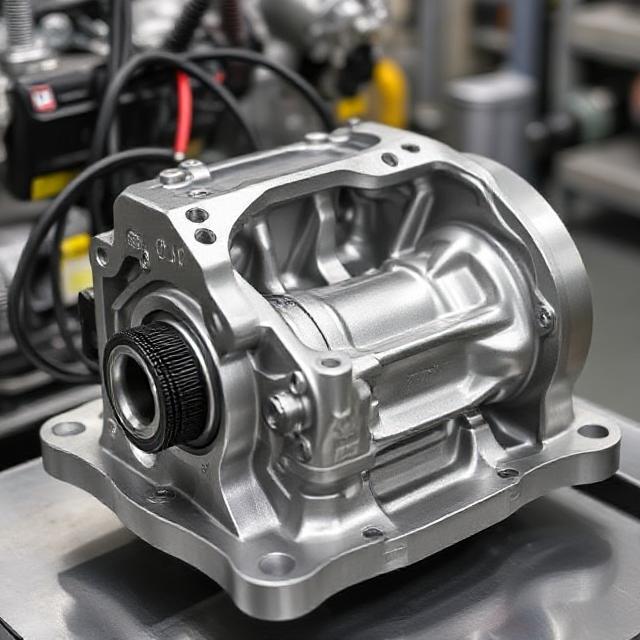
Design complexity plays a big role in metal stamping costs. Every extra detail or tight tolerance can add to tooling wear and production time. To keep costs down, work closely with your metal stamping supplier’s DFM team. They help simplify your design without sacrificing function.
Here are some practical DFM tips:
● Avoid thin, narrow sections prone to breakage or causing die wear.
● Use parallel edges so multiple parts can be stamped at once in a single die.
● Know your material’s bend radius limits; CAD drawings don’t always reflect real-world capabilities.
● Specify only the tolerances you truly need; overly tight tolerances increase costs quickly.
● Keep holes at least twice the material thickness away from edges to prevent tearing.
● Choose edge finishes suited for assembly; sharp edges can cause handling issues.
● Limit unnecessary features; each one adds complexity, tooling cost, and die wear.
These guidelines help balance part performance and stamping efficiency, reducing manufacturing costs.
Die wear directly impacts long-term stamping costs. Complex or aggressive features cause faster tooling degradation, leading to downtime and repairs. To reduce wear:
● Simplify part geometry to avoid sharp corners or deep draws.
● Sequence forming operations to distribute metal flow evenly.
● Use high-grade tool steel tailored to your production volume.
● Maintain dies regularly and design them for easy access during maintenance.
Reducing wear means fewer interruptions, longer die life, and lower overall costs.
Every feature in your stamped part affects cost. Here’s how to optimize:
● Combine features where possible to minimize the number of die stations.
● Avoid overly intricate embossing or perforations unless essential.
● Design parts for smooth material flow to reduce stress and scrap.
● Consider standard hole sizes and bend angles to use common tooling.
● Balance aesthetics and function; sometimes simpler is more cost-effective.
Working with engineers early to optimize features ensures you get the right balance of quality and price.
One of the biggest benefits of metal stamping is how well it works for high-volume production. When you produce thousands or even millions of parts, the initial tooling cost spreads out, making each part cheaper. Metal stamping presses run quickly and consistently, so they can churn out large batches with minimal downtime. This speed and repeatability mean you get steady quality and fast turnaround times, which is vital for industries like automotive or electronics.
High-volume production also allows manufacturers to optimize their processes. They can fine-tune the dies, reduce waste, and improve cycle times. This optimization drives down overall costs and boosts efficiency. Plus, running large batches means less frequent setup changes, saving time and labor costs.
The per-unit cost of metal stamping drops significantly as volume increases. That’s because the tooling investment — usually the biggest upfront expense — gets divided among more parts. For example, a die costing $50,000 might seem expensive for a small run. But if you produce 100,000 parts, the tooling cost adds only 50 cents per part. If you double production to 200,000 parts, the tooling cost per part halves again.
Besides tooling, other costs like material and labor stay relatively stable per part. So, higher volume means lower fixed costs per unit and better overall pricing. This makes metal stamping especially cost-effective for large production runs.
To maximize savings, consider these strategies:
● Order Larger Batches: Larger production runs reduce setup and tooling costs per part.
● Plan for Long Runs: Avoid frequent tooling changes by producing parts in bigger quantities.
● Use Progressive Dies: These dies perform multiple operations in one press cycle, speeding production and reducing labor.
● Maintain Tooling Properly: Regular maintenance extends die life, avoiding costly repairs or replacements.
● Collaborate Early: Work closely with your supplier to optimize design and tooling for your expected volume.
By combining these approaches, you can lower your cost per part and improve your manufacturing efficiency.
Choosing between domestic and international metal stamping suppliers greatly impacts cost and lead times. Domestic suppliers often provide faster turnaround due to proximity, reducing shipping delays and customs complications. They also offer easier communication and better control over quality and production schedules.
International suppliers might offer lower per-unit prices, but these savings can be offset by longer lead times, higher shipping costs, and potential delays at ports. Additionally, international sourcing can introduce risks like geopolitical issues, tariffs, and inconsistent quality standards. For critical or time-sensitive projects, domestic suppliers typically offer more reliability and responsiveness.
Shipping costs add a significant layer to the total expense of metal stamping projects. Factors influencing shipping costs include:
● Distance: Longer distances increase freight charges.
● Weight and Volume: Heavier or bulkier shipments cost more to transport.
● Shipping Method: Air freight is faster but more expensive than sea or ground shipping.
● Customs and Duties: International shipments may incur tariffs, taxes, and customs fees.
● Packaging: Proper packaging to protect parts during transit can add to costs.
Delays in shipping can also increase costs indirectly by causing production hold-ups or forcing expedited shipping later. These hidden costs often make international sourcing less economical than it appears initially.
To keep shipping and lead time costs manageable, consider these strategies:
● Partner with Local Suppliers: Reduces transit time and shipping expenses.
● Consolidate Shipments: Larger, less frequent shipments lower per-unit shipping costs.
● Plan Ahead: Allow buffer time for production and shipping to avoid rush fees.
● Use Just-In-Time (JIT) Delivery: Minimizes inventory costs but requires reliable suppliers.
● Negotiate Shipping Terms: Work with suppliers and carriers to find cost-effective options.
● Leverage Technology: Track shipments and forecast delays to adjust plans proactively.
Streamlining your supply chain by balancing lead times, shipping costs, and inventory can significantly improve your project’s overall cost efficiency.
When deciding between metal stamping and casting, cost and efficiency play big roles. Metal stamping is great for producing thin, flat parts quickly and precisely. It uses less material waste and runs fast once the tooling is ready. The upfront cost for stamping dies can be high, but the per-part cost drops significantly in large volumes.
Casting, on the other hand, is better suited for complex shapes and thicker parts. It involves pouring molten metal into molds, which can be expensive to create but less costly for low to medium volumes. Casting also takes longer due to cooling and finishing steps. For large runs of simple, thin parts, stamping usually beats casting on speed and cost. But for bulky or intricate components, casting might be more economical.
Each manufacturing method has strengths and weaknesses. Here’s a quick look:
Method | Pros | Cons |
Metal Stamping | Fast production, low waste, high precision | High initial tooling cost, limited to thinner parts |
Casting | Can create complex, thick parts | Longer lead times, more material waste, slower cycles |
Machining | High accuracy, flexible for prototypes | Slow for large volumes, higher per-part cost |
Fabrication | Good for custom shapes and small runs | Labor-intensive, less consistent quality |
Metal stamping excels in high-volume, consistent parts production. Casting suits complex shapes and medium volumes. Machining and fabrication fit smaller runs or prototypes.
To pick the best method, consider:
● Part design: Thin, flat, or simple shapes favor stamping; complex 3D shapes might need casting.
● Volume: High volume justifies stamping tooling costs; low volume may favor casting or machining.
● Material: Some materials cast better than others; stamping works well with common sheet metals.
● Lead time: Stamping offers fast cycle times once set up; casting and machining may take longer.
● Budget: Upfront tooling costs differ; plan based on total production cost per part.
Work closely with your manufacturer early. They can help evaluate your design and volume to find the most cost-effective, quality solution.
Metal stamping costs are influenced by tooling, material choices, design complexity, and production volume. Despite initial high tooling expenses, it becomes cost-effective for high-volume production. Understanding these factors helps in making informed manufacturing decisions. For those seeking efficiency and quality, consider Zonze's expertise in metal stamping. Their commitment to high-quality tooling and material selection ensures value and cost savings for your projects.
A: The cost of automotive stamping is influenced by tooling and die expenses, material choices, part design complexity, and production volume.
A: Tooling is a major cost component in automotive stamping, with expenses varying based on die complexity, material grade, and production volume.
A: High-volume production lowers per-part costs in automotive stamping by spreading tooling expenses over a larger number of parts.
A: Automotive stamping is typically more cost-effective for high-volume, simple parts, while casting suits complex shapes and lower volumes.


